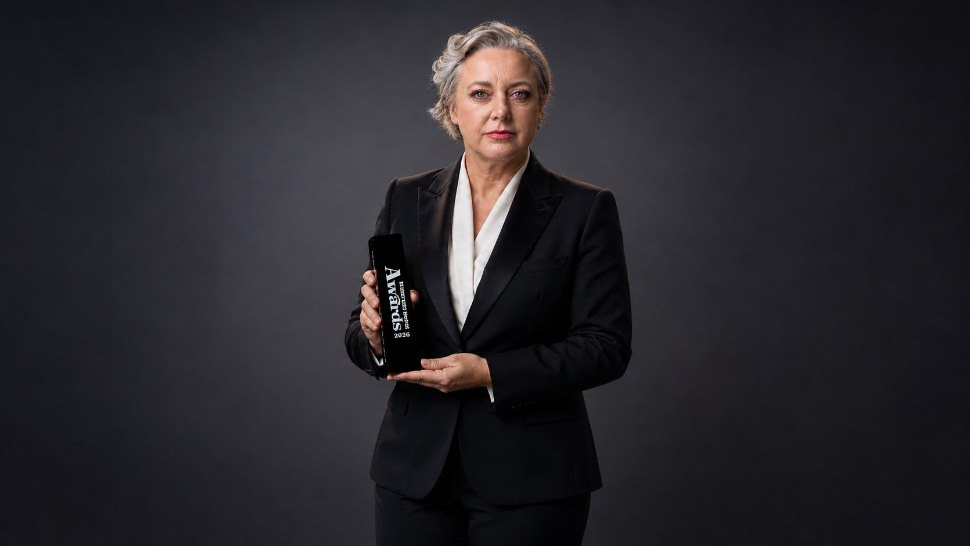
Lidija Bajarūnienė — European Tourism Governance Award 2026 © European Hotel Awards 2026
Tourism is often discussed through destinations, visitor numbers and promotion. Yet the sector also depends on a quieter architecture of cooperation: public policy, market intelligence, international dialogue, sustainability and the ability to align countries with very different priorities. That dimension defines the career of Lidija Bajarūnienė, Vice-President of the European Travel Commission, recipient of the European Tourism Governance Award 2026 at the European Hotel Awards.
Lidija Bajarūnienė received the European Tourism Governance Award 2026 at the eighth European Hotel Awards, held on 28 September 2026 at Grand Hotel del Mare Resort & Spa in Bordighera. As Vice-President of the European Travel Commission (ETC), she represents a form of tourism leadership built around cooperation, public policy, market knowledge and the long-term competitiveness of European destinations.
Why governance matters to hospitality
Tourism is an economic activity, but its effects extend far beyond visitor spending. It intersects with transport, employment, heritage, the environment, urban planning, international image and the quality of life of residents. Governing tourism therefore requires institutions to connect interests that do not always move in the same direction.
At European level, that challenge becomes more complex. Destinations have different structures, economies and seasonal patterns, yet share questions around resilience, mobility, digital transformation, sustainability, market access and the balance between visitor demand and local capacity.
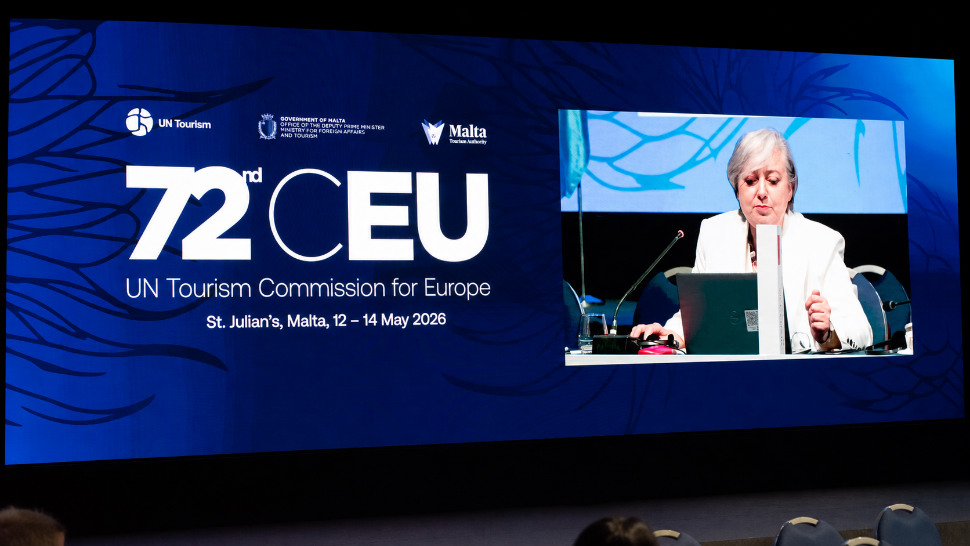
Lidija Bajarūnienė participates in international cooperation shaping the future of European tourism © European Travel Commission
The European Travel Commission as a platform for shared intelligence
The European Travel Commission brings together national tourism organisations from across Europe. Its work includes market intelligence, exchange of good practice, promotion and the development of collective value for European destinations.
This gives the ETC a particular role. Tourism remains strongly territorial, but many of the forces affecting destinations are international. Cooperation allows national organisations to compare experience, understand demand more accurately and work collectively on Europe’s position in a highly competitive global travel market.
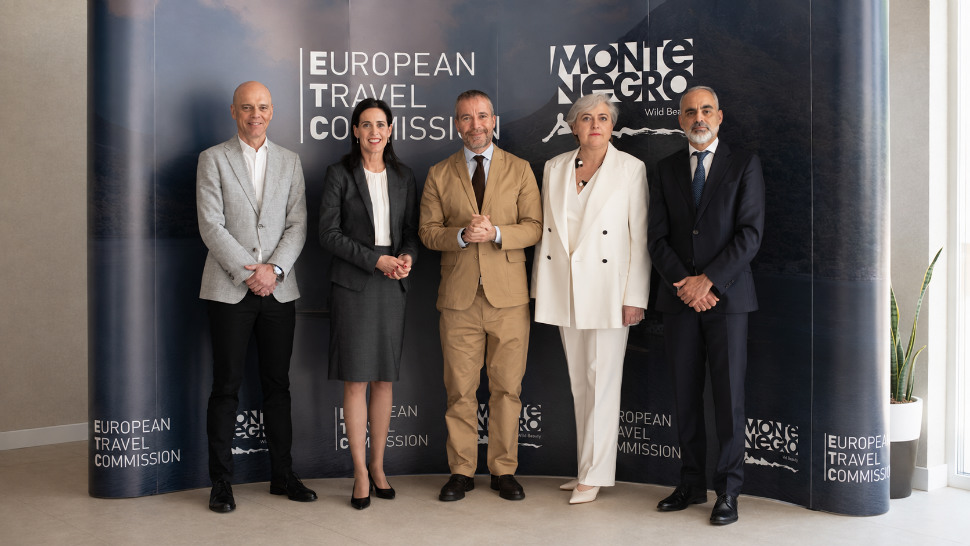
The European Travel Commission provides a platform for cooperation between national tourism organisations across Europe © European Travel Commission
More than twenty years across tourism policy and international cooperation
Elected Vice-President of the ETC in May 2025 for the 2025–2028 term, Lidija Bajarūnienė brings more than two decades of experience in tourism policy, international cooperation and communication. Her career has included leadership of Lithuania’s national tourism development agency, Lithuania Travel.
She also works within Lithuania’s Ministry of the Economy and Innovation, in the area responsible for tourism and resort development, and represents the country in international tourism bodies including the OECD Tourism Committee and UN Tourism.
That combination of national, European and international experience is central to the meaning of the Award. Governance requires an understanding of local realities, but also the ability to place them within larger frameworks and build durable cooperation between institutions.
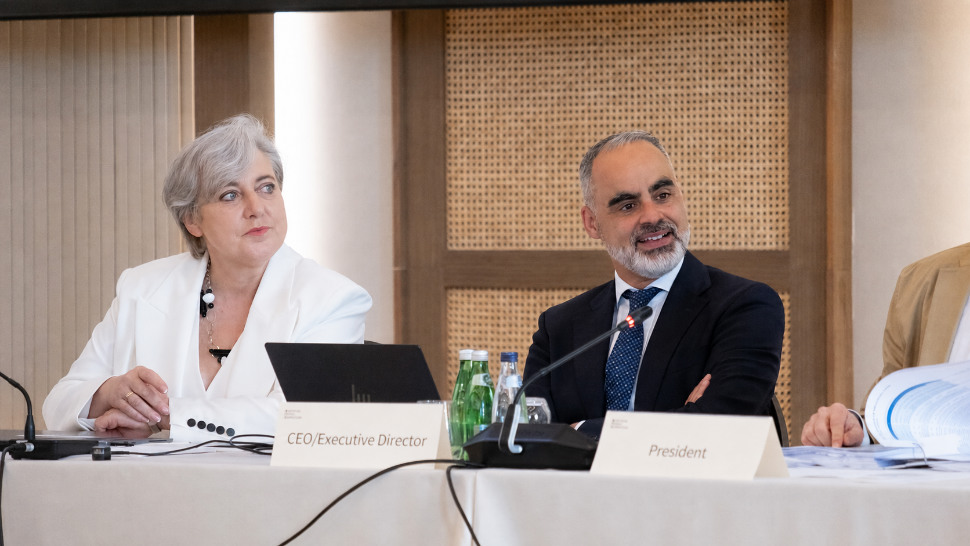
Lidija Bajarūnienė’s work connects national tourism policy with the wider European tourism agenda © European Travel Commission
Measuring tourism by value, not volume alone
European tourism is increasingly moving beyond the idea that success can be measured simply by the number of arrivals. Economic value, distribution of visitor flows, resource protection, community acceptance and the capacity to withstand disruption are now part of the same conversation.
This changes the role of tourism organisations. Promotion remains important, but so do research, coordination, measurement and policy adaptation. Governance becomes both a competitiveness tool and a way to maintain balance in destinations facing rapid change.
Why Lidija Bajarūnienė received European Tourism Governance Award 2026
The European Hotel Awards Board selected Lidija Bajarūnienė because her career connects three levels that are essential to contemporary tourism governance: national policy experience, European cooperation and international representation. Rather than operating within a single institutional sphere, she has worked across the structures through which tourism strategy is developed, coordinated and shared.
Her election as Vice-President of the European Travel Commission gives that trajectory particular significance. The role places her within the strategic work of an organisation whose members collectively consider Europe’s competitiveness, resilience, sustainability and long-term tourism value.
The Award also recognises an essential connection with hospitality. Hotel excellence does not exist in isolation. It depends on destinations that are accessible, attractive, well managed and capable of anticipating economic, environmental and social change. Through her work, Bajarūnienė contributes to the governance framework within which European hospitality can develop.
European Tourism Governance Award 2026 therefore recognises continuity of public service, the ability to create bridges between institutions and destinations, and a leadership style based on cooperation rather than visibility alone.
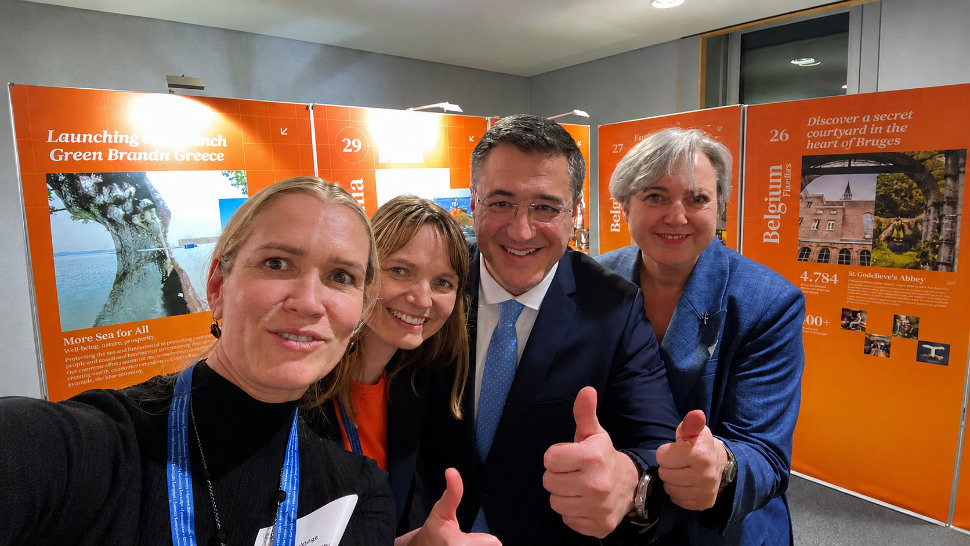
Lidija Bajarūnienė represents a model of tourism leadership based on European and international cooperation © European Travel Commission
Lithuania within a wider European tourism conversation
Bajarūnienė’s career also illustrates the increasingly important place of the Baltic states within European tourism policy. Lithuania participates fully in discussions around mobility, sustainability, changing visitor behaviour and the creation of tourism value.
Her role within the ETC strengthens that contribution while demonstrating a form of leadership focused on continuity, shared intelligence and the ability to connect national priorities with a broader European agenda.
A governance Award within a hospitality event
Recognising tourism governance within the European Hotel Awards is deliberate. Hotels depend on destination policy, transport links, public-private cooperation, market knowledge and resilient tourism systems. By recognising Lidija Bajarūnienė, the 2026 edition acknowledges the institutional work that makes a strong European hospitality environment possible.
Lidija Bajarūnienė, European Tourism Governance Award 2026
European Travel Commission (ETC)
Rue du Marché aux Herbes 61
1000 Brussels, Belgium
Internet: etc-corporate.org
https://youtu.be/pLt_MSXzChUM
European Hotel Awards 2026 Partners















Tags: destination management, ETC, European Hotel Awards 2026, European tourism, European Tourism Governance Award 2026, European Travel Commission, international cooperation, Lidija Bajarūnienė, Lithuania, sustainable tourism, tourism governance, tourism policy